



Freestanding Baths: What to Know Before You Buy
A freestanding bath is the ultimate bathroom centrepiece. It looks beautiful, feels luxurious, and can transform a plain room into somewhere you actually want to spend time. But there are practical points to get right before you buy. Here is our guide to choosing one.
1. Make sure you have the space
Freestanding baths need room to breathe. Measure carefully, and allow enough clearance around the bath for cleaning and for stepping in and out. As a guide, many standard freestanding baths are around 1500 to 1800 mm long, but the sizes vary. In a smaller room, a compact or back-to-wall style often works better.
2. Choose a shape
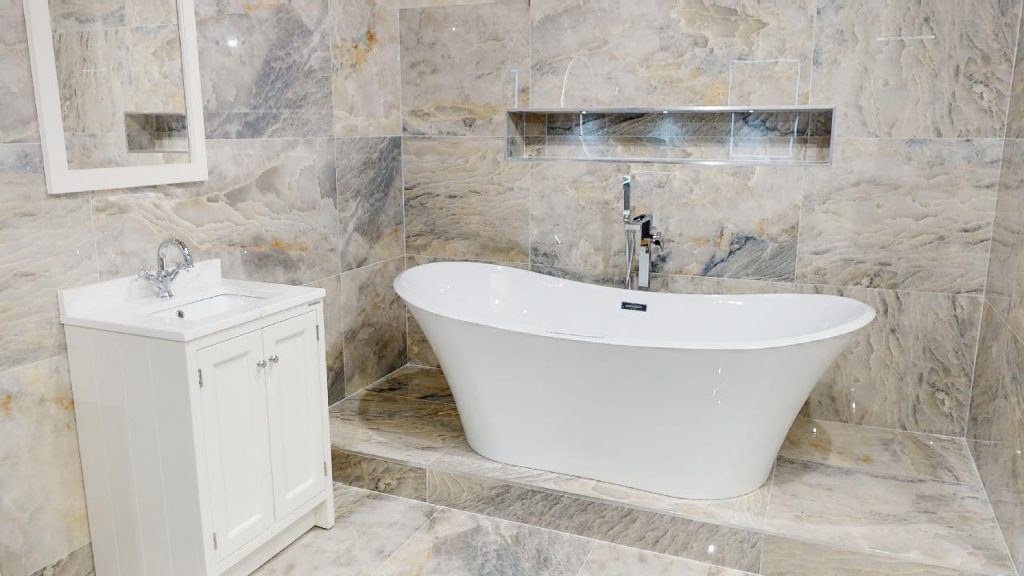
- Double-ended baths have a centre tap position and a slope at both ends, so you can lie back either way.
- Slipper baths have one raised end, which gives a classic, luxurious look.
- Back-to-wall baths sit against one wall and give you the look of a freestanding bath in less space.

3. Think about the material
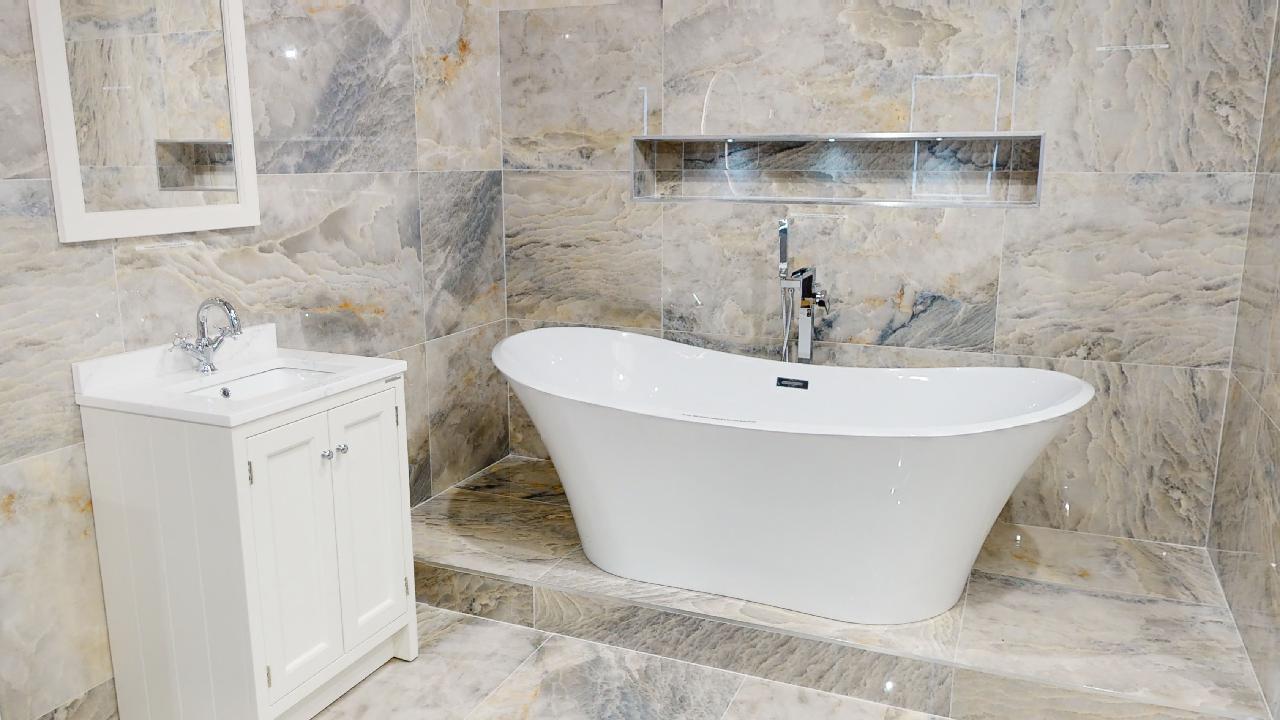
Acrylic baths are light, warm to the touch and easy to install, which makes them popular. Stone resin and cast iron baths feel substantial but are considerably heavier, so you will need to check the floor can take it. Our My Life baths include thin-edge freestanding acrylic baths such as the Farnham, Maine and Mourne.
4. Check the floor
A full bath, with the bather in it, is heavy. Make sure your floor is strong enough, particularly if you are installing upstairs or on a timber floor. If in doubt, ask a builder or engineer to check.
5. Plan your taps
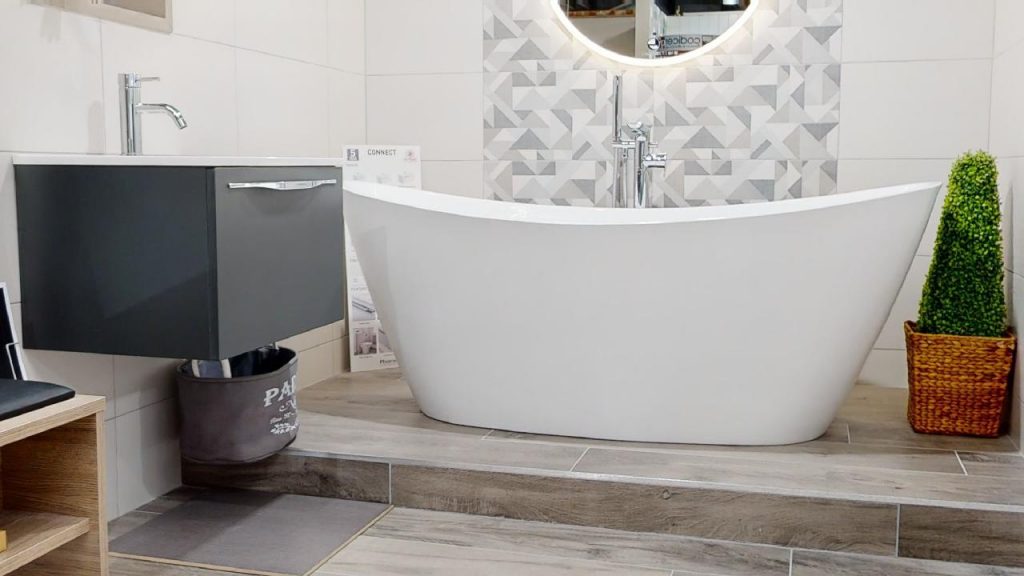
Most freestanding baths have no tap holes, so you will need either a floor-standing bath filler, or wall-mounted taps. A floor-standing filler is the classic choice and is a real feature in itself. See our Phoenix taps and bath fillers for options.
6. Sort the plumbing
With a freestanding bath, the waste and pipework can often be hidden in the floor, but your plumber needs to know the position before the floor is finished. Choosing the bath and taps early makes this far easier.
7. Match the rest of the room
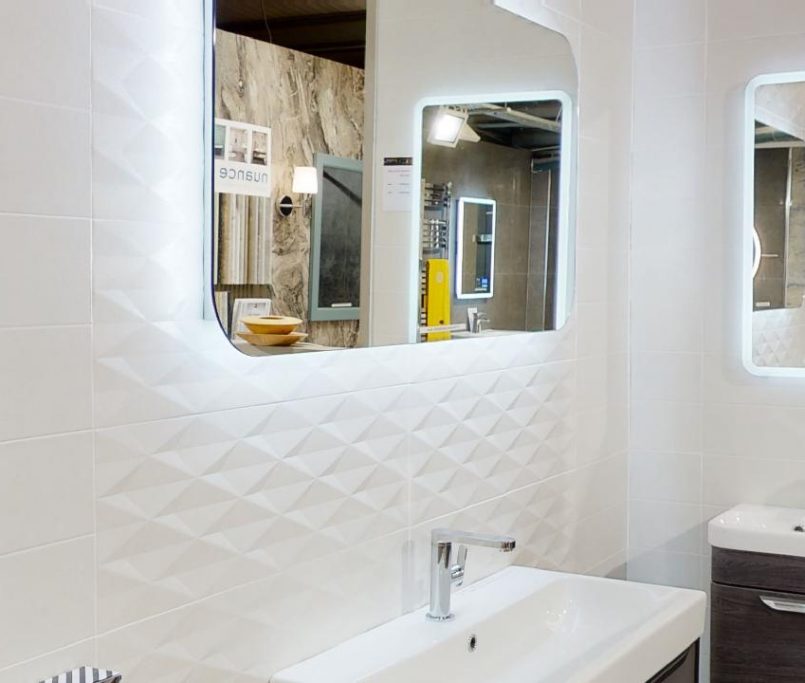
A freestanding bath looks best with finishes that work together. Keep taps, towel rail and accessories in the same finish, and pick a mirror that complements the shape of the bath. Our LED bathroom mirror guide and vanity unit buyer’s guide will help you complete the room.
See them in person
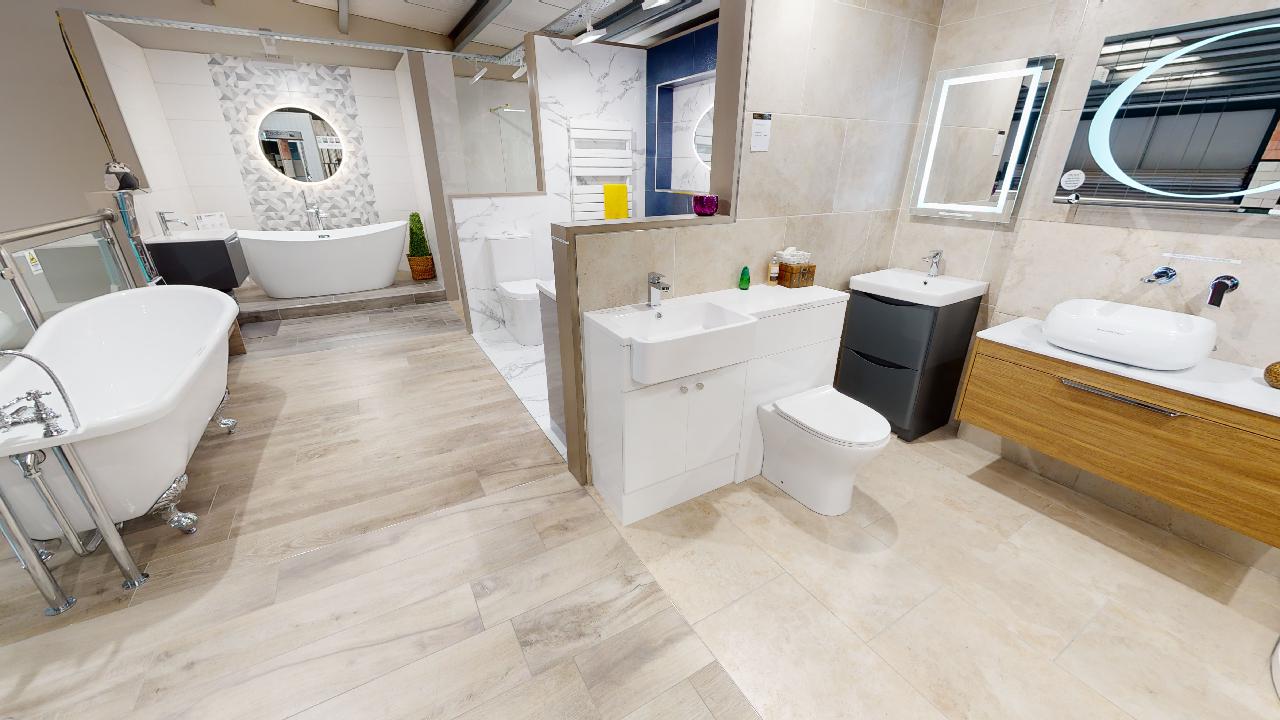
Photos only tell part of the story. A bath is something you want to see at full size, so call into our showroom and compare shapes, finishes and depths side by side.
Freestanding bath FAQs
Do freestanding baths need special plumbing?
The connections are similar to a normal bath, but because the bath sits away from the wall, the waste and tap supply need to be planned in advance.
Are freestanding baths comfortable?
Yes. Shape and depth are the key. Try getting a feel for a few styles in the showroom, so you can find the one that supports you best.
Can I put a freestanding bath in a small bathroom?
Sometimes. A compact or back-to-wall design can work, but measure carefully. If space is tight, see our small bathroom ideas before deciding.
Want to see these ideas in person? Visit our showroom at Mullingar Business Park, Co. Westmeath, or book an appointment and our team will talk you through your options. You can also get in touch with any questions.